
AmazingBuyz is reader-supported. When you buy through links on our site, we may earn an affiliate commission at no extra cost to you. Learn more.
A furnace almost never quits on a mild afternoon. It quits at 2 a.m. during the coldest week of the year, or the power goes out and takes the furnace with it. This guide explains how to stay warm without heat safely: what to check before you call for service, how to turn one room into a warm room, which heat sources kill people every winter, and the short list of supplies that actually help.
Part of our Disaster Prep hub, a season-by-season guide to getting ready for whatever your region gets.
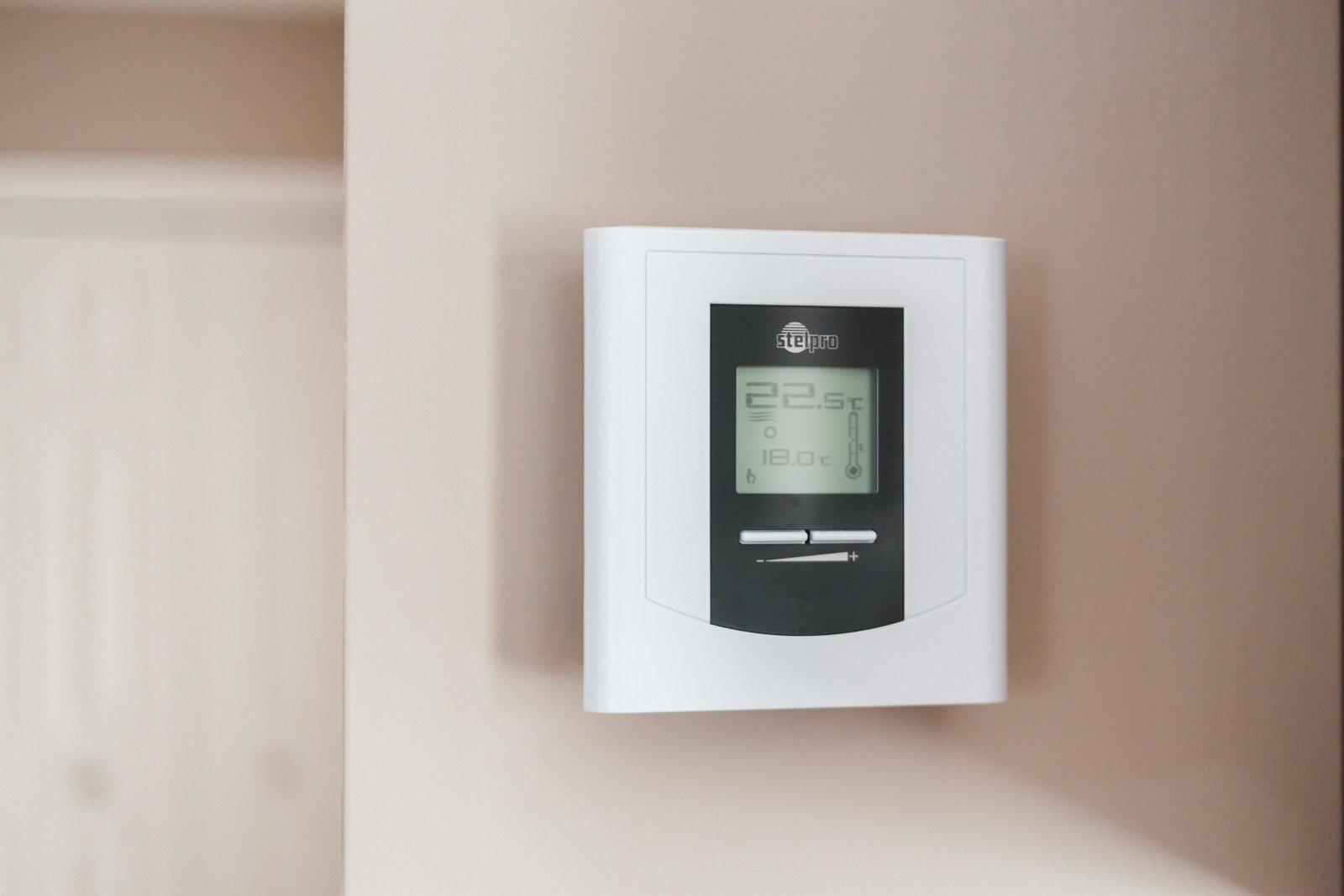
Key numbers to know
- 3 feet: keep anything that can burn at least this far from every heat source, including space heaters, fireplaces and candles (U.S. Fire Administration).
- 41%: portable heaters caused only about 3% of home heating fires in 2017–2019 but were involved in 41% of fatal heating fires (U.S. Fire Administration).
- 20 feet: the minimum distance between a running portable generator and your doors, windows and vents (CDC and CPSC).
- More than 100: U.S. deaths each year from carbon monoxide linked to portable generators, out of more than 200 non-fire CO deaths tied to consumer products (CPSC).
- 95°F: body temperature below this is hypothermia; get medical help right away (CDC, National Weather Service).
- 4 hours / 48 hours: how long a closed refrigerator and a full freezer keep food safe without power (FoodSafety.gov).
First: why did the furnace stop?
Before you plan for a cold night, spend ten minutes on the simple causes. A large share of “no heat” calls in winter turn out to be something a homeowner can safely check. Only do the checks below if you are comfortable doing so, and never open the burner compartment or work on gas piping yourself.
| What you see | Likely cause | What you can safely do |
|---|---|---|
| Whole house is dark | Power outage. Gas and oil furnaces still need electricity for the blower, igniter and controls. | Report the outage to your utility and switch to the warm-room plan below. |
| Thermostat screen blank | Dead thermostat batteries or a tripped breaker | Replace batteries; check the furnace breaker and the service switch near the furnace (it often looks like a light switch). |
| Furnace starts, runs briefly, shuts off | Clogged filter causing overheating, or a flame sensor problem | Replace a dirty filter. If it keeps short-cycling, call a technician. |
| High-efficiency furnace stops after heavy snow | Snow or ice blocking the white plastic intake/exhaust pipes outside | Carefully clear snow from around the pipe ends, then reset power to the furnace. |
| Furnace stops and you hear a pump or see water | Condensate drain or pump problem (high-efficiency units) | Check whether the condensate pump is unplugged or full; call for service if it won’t drain. |
| You smell gas | Possible gas leak | Do not flip switches or start anything. Leave the house and call your gas utility or 911 from outside. |
From the trades: In Colorado we see the same winter pattern every year: a furnace that ran fine all fall locks out the first week the temperature drops hard, because that is the first time it runs long cycles. A furnace in lockout often shows a blinking light code through the small window on the access panel. Write that blink pattern down (or take a short phone video) before you cut power. It tells the technician what failed and can save a second trip. And change the filter before winter, not during the outage; a choked filter is one of the most common reasons a furnace overheats and shuts itself off.
What the cold-weather alerts mean
If your heat is out during a cold snap, the National Weather Service alert level tells you how urgent it is to get to a warm place. In 2024 the NWS replaced its old wind chill products with “extreme cold” and “cold weather” alerts. Exact thresholds are set by each local NWS office, so a Cold Weather Advisory in Texas triggers at a much warmer reading than one in North Dakota.
| Alert | What it means | What to do if your heat is out |
|---|---|---|
| Extreme Cold Watch | Dangerously cold temperatures or wind chills are possible in the next few days. | Get the furnace serviced now, check CO alarms, stage your warm-room supplies, line up a backup place to stay. |
| Cold Weather Advisory | Cold that is hazardous if you are not careful, especially for vulnerable people. | Set up the warm room, check on older neighbors, keep pets inside. |
| Extreme Cold Warning | Dangerously cold temperatures or wind chills are expected or happening. | If you cannot keep one room warm, go to a relative, a hotel or a public warming center before night falls. |
Who is most at risk in a cold house
The CDC lists older adults with inadequate food, clothing or heating, and babies sleeping in cold bedrooms, among the people most at risk of hypothermia. The National Weather Service notes that as people age, the body becomes less efficient at signaling that it is too cold, and older people tend not to shiver effectively. That means an older parent living alone may not realize their house has become dangerous.
Warning signs in adults include shivering, exhaustion, confusion, fumbling hands, memory loss, slurred speech and drowsiness. In infants, the CDC lists bright red, cold skin and very low energy. If someone’s temperature is below 95°F, get medical attention immediately. The CDC also warns against using a heating pad or electric blanket to rewarm someone with cold injuries; get them into a warm room, remove wet clothing and call for help.
The timeline: before, when it stops, overnight, after
| When | What to do |
|---|---|
| Before winter | Annual furnace inspection and filter change. Test CO and smoke alarms. Stock the supplies below. Save your HVAC company’s after-hours number in your phone. Know where your nearest warming center is announced (city or county emergency management pages, or dial 211). |
| When the heat stops | Run the quick checks above. Call for service early in the day; evening calls during a cold snap stack up. Close blinds and curtains to keep heat in. |
| First few hours | Pick your warm room, close off the rest of the house, put towels under doors, put on layers, hats and socks. Keep the refrigerator and freezer closed. |
| Overnight | Everyone sleeps in the warm room in cold-rated sleeping bags or under layered blankets. Space heaters off while sleeping unless designed and labeled for unattended use; follow the manufacturer. CO alarm in the room. |
| After heat returns | Check for frozen pipes, check food temperatures, and have the technician confirm venting and CO levels if anything unusual happened (backdrafting, soot, alarms). |
How to set up a warm room
Heating one small room is far easier than heating a whole house. The National Weather Service recommends closing off rooms to avoid wasting heat, placing towels or rags in cracks under doors, closing blinds or curtains, and wearing loose, lightweight warm layers plus hats, mittens and blankets.
- Pick the right room: a smaller room with few exterior walls and windows, ideally one that gets afternoon sun. Interior bedrooms and dens often work better than big open living areas.
- Seal it: close the door, roll a towel along the bottom, close curtains. Hang a blanket over a large window at night.
- Insulate people, not air: layered clothing, a hat, dry socks and a sleeping bag do more than a heater fighting a drafty room.
- Group up: people and pets in one room add body heat. Eat and drink warm, non-alcoholic drinks.
- Keep a thermometer in the room: it tells you whether your setup is working or whether it is time to leave.
The power math: what a backup source can actually heat
If the furnace failed but the power is on, a plug-in electric heater is the simple fix. If the power is out, heat gets expensive in watt-hours very quickly. The formula:
Watt-hours needed = device watts × hours of use
| Device (example wattage from the label) | 8 hours of use | What that means |
|---|---|---|
| Space heater on high, 1,500 W | 1,500 × 8 = 12,000 Wh | Far beyond most portable power stations; realistic only on a generator or with utility power. |
| Space heater on low, 750 W | 750 × 8 = 6,000 Wh | Still more than most single power stations hold. |
| Example electric blanket rated 100 W, cycling about half the time | 100 × 8 × 0.5 = 400 Wh | Manageable on a mid-size power station. Check your blanket’s actual label rating. |
| Furnace blower and controls (check the furnace nameplate) | nameplate watts × run hours | A gas furnace can run on a properly connected generator, which often heats the whole house for less fuel than electric heaters. |
Power stations also lose some capacity to inverter losses, so plan on getting somewhat less than the rated Wh. Our power station guide and winter outage guide walk through sizing in more detail.
From the trades: The most efficient outage heat in a gas-heated home is usually your own furnace, run from a generator through a transfer switch or a code-approved interlock kit installed by a licensed electrician. Never backfeed a dryer outlet with a homemade double-male cord; it can energize the utility lines and injure line workers, and it can burn up your wiring. Ask your HVAC tech to note your furnace’s electrical requirements on your next tune-up so you know what generator you need.
Safety rules that save lives
- Never heat your home with an oven or gas range (U.S. Fire Administration).
- Never burn charcoal indoors, including in garages, campers or vehicles. CPSC warns the carbon monoxide can kill you.
- Generators outside only, at least 20 feet from doors, windows and vents, never in a garage even with the door open. CPSC says one portable generator can produce as much carbon monoxide as hundreds of cars.
- CO alarms on every level and outside sleeping areas, battery-operated or with battery backup (CPSC). Symptoms of CO poisoning include headache, dizziness, weakness, nausea, vomiting, sleepiness and confusion. If an alarm sounds or several people feel sick, get outside and call 911.
- Keep 3 feet of clearance around space heaters, fireplaces, wood stoves and candles, and turn space heaters off when you leave the room or go to bed (U.S. Fire Administration).
- Use fireplaces only if they have been inspected; the USFA recommends having heating equipment and chimneys cleaned and inspected every year.
- Know when to leave. If the warm room keeps dropping, or anyone shows hypothermia signs, go somewhere warm. Follow local officials about warming centers.
Common mistakes
- Running a generator in the garage “just for a minute” or with the door open.
- Lighting the oven or stovetop burners for heat.
- Plugging a space heater into a light-duty extension cord or power strip.
- Trying to heat the whole house instead of one sealed room.
- Waiting until evening to call for furnace service during a cold snap.
- Forgetting the CO alarm battery, so the alarm is dead when you need it most.
- Buying a power station expecting it to run a 1,500 W heater all night.
- Not checking on an older neighbor or relative who lives alone.
The 9 things worth stocking
1. Carbon monoxide alarms
Why: Every dangerous winter heat source, from generators to fuel-burning heaters to a cracked heat exchanger, produces CO you cannot see or smell.
Look for: UL 2034 listing, battery operation or battery backup, a digital readout, and enough units for every level plus outside sleeping areas.
2. A safe electric space heater
Why: When the furnace fails but the power is on, a plug-in heater keeps your warm room livable until the technician arrives.
Look for: UL or ETL certification, tip-over and overheat shutoff, a thermostat, and a cool-touch case. Oil-filled radiators are quiet and hold heat; ceramic heaters warm a room faster. See our space heater picks and oil-filled radiator picks.
See oil-filled heaters on Amazon →See ceramic heaters on Amazon →
3. A generator for furnace backup
Why: In an outage, a generator connected through a transfer switch can run your gas furnace, refrigerator and lights, which is far more heat per gallon than electric heaters.
Look for: enough running watts for your furnace plus essentials, inverter or low-distortion output for furnace electronics, dual fuel for longer fuel storage, and automatic CO shutoff. Compare options in our dual fuel generator guide.
4. A portable power station
Why: Silent and safe indoors, it runs an electric blanket, phones, lights and small medical devices through the night. It won’t run a full-size space heater for long (see the math above).
Look for: at least 1,000 Wh for overnight blanket use, LiFePO4 batteries, pure sine wave AC, and the ability to recharge from a car or solar panels.
See power stations on Amazon →
5. Cold-rated sleeping bags
Why: A sleeping bag traps body heat far better than a pile of loose blankets, and it needs no fuel or power.
Look for: a temperature rating well below your expected indoor low, a hood, a full-length draft tube along the zipper, and kid sizes for children. Never put infants in adult sleeping bags; follow safe-sleep guidance from your pediatrician.
6. Thermal base layers
Why: A merino or synthetic base layer under regular clothes keeps you warm indoors without bulk. Our layering guide explains the system.
Look for: merino wool or polyester (avoid cotton next to the skin), snug fit, and sets for every family member.
7. Wool blankets
Why: Wool stays warm when damp, doubles as a window or doorway curtain, and lasts for decades.
Look for: a high wool percentage, a heavy weight, and full or queen size so one blanket covers two people.
8. Indoor thermometer
Why: Cold sneaks up on people, especially older adults. A thermometer in the warm room tells you objectively when it’s time to leave, and a wireless one with an alert can warn a relative who lives elsewhere.
Look for: min/max memory, a large display, and optional Wi-Fi alerts for checking on a parent’s home remotely.
See temperature monitors on Amazon →
9. LED lanterns (not candles)
Why: Candles are a fire risk in a crowded warm room. LED lanterns give safe light during an outage.
Look for: rechargeable or AA/D batteries you already stock, a low setting for all-night runtime, and USB output for phones.
No-heat risks by region
| Region | Main risk when heat fails | Prep focus |
|---|---|---|
| Northern Plains and Upper Midwest | Long stretches of extreme cold; a house can become dangerous quickly | Generator with transfer switch, cold-rated sleeping bags, a backup place to go |
| Rockies and Mountain West (including Colorado) | Cold nights, heavy snow blocking high-efficiency furnace vents, rural service delays | Keep vent pipes clear, stock furnace filters, know your HVAC company’s after-hours line |
| Northeast | Nor’easters, ice and older homes with oil or boiler heat | Fuel delivery planning, CO alarms, generator for boiler pumps and controls |
| South and Texas | Rare but severe freezes in homes built for heat, plus grid stress during cold snaps | Warm-room plan, blankets and sleeping bags, pipe protection |
| Pacific Northwest | Ice storms and long tree-related outages | Power station for overnight basics, generator safety, LED lighting |
FAQ
How long will my house stay warm without heat?
It depends on insulation, air leaks, outdoor temperature and wind, so there is no single answer. A well-sealed newer home may hold heat for many hours, while a drafty older home can get cold fast. Close off rooms, cover windows and watch an indoor thermometer instead of guessing.
Is it safe to use my gas oven to heat the house?
No. The U.S. Fire Administration says never use an oven to heat your home. Fuel-burning appliances used for heat can also produce carbon monoxide. Use a listed electric heater if you have power, or go somewhere warm.
Can a portable power station run a space heater?
Only briefly. A 1,500 W heater would need about 12,000 Wh for eight hours, which is far more than most portable units hold. Power stations are better for electric blankets, lights, phones and small devices.
When should I leave my house if the heat is out?
Leave if your warm room keeps getting colder, if anyone shows signs of hypothermia, if a CO alarm sounds, or if officials issue an Extreme Cold Warning and you have no safe heat source. Follow local officials for warming center locations, or dial 211 for local help.
Will my pipes freeze if the furnace is out?
They can, especially along exterior walls. Our frozen pipes guide covers dripping faucets, opening cabinet doors and what to do if a pipe freezes.
Related guides
- Disaster Prep hub
- Winter Storm and Power Outage Prep: What to Stock Before the First Blizzard
- Ice Storms and Frozen Pipes: How to Protect Your Home
- The Best Space Heaters of 2026
- The Best Dual Fuel Generators of 2026
Sources
U.S. Fire Administration: Heating Fire Safety; CPSC: Carbon Monoxide Information Center; CPSC: Charcoal and Carbon Monoxide; CDC: Prevent Carbon Monoxide Poisoning; CDC: Preventing Hypothermia and Frostbite; National Weather Service: During Extremely Cold Weather; National Weather Service: 2024 Cold Weather Alert Changes; NFPA: Heating Safety; FoodSafety.gov: Food Safety During a Power Outage. Photos courtesy of Unsplash.